
Designing a sustainable house plan is more than just a trend. It is a commitment to building homes that respect the environment, reduce energy consumption, and create healthier living spaces. When I design sustainable house plans, I focus on practical strategies that anyone can apply. These strategies help reduce the carbon footprint and save money in the long run. In this post, I will share clear, actionable tips for sustainable house plans that work well in Australia’s unique climate and building environment.
Understanding the Basics: Tips for Sustainable House Plans
Sustainability in house design means using resources wisely and minimizing waste. It also means creating homes that are comfortable year-round without relying heavily on artificial heating or cooling. Here are some essential tips for sustainable house plans:
-
Orientation and Layout: Position your house to take advantage of natural sunlight. In Australia, this usually means maximizing northern exposure to capture winter sun and shading windows in summer.
-
Insulation and Ventilation: Use high-quality insulation in walls, roofs, and floors to keep the house warm in winter and cool in summer. Combine this with natural ventilation to improve air quality and reduce energy use.
-
Material Selection: Choose sustainable, locally sourced, and recycled materials. Timber from certified forests, recycled steel, and low-VOC paints are excellent choices.
-
Water Efficiency: Incorporate rainwater harvesting systems and water-efficient fixtures to reduce water consumption.
-
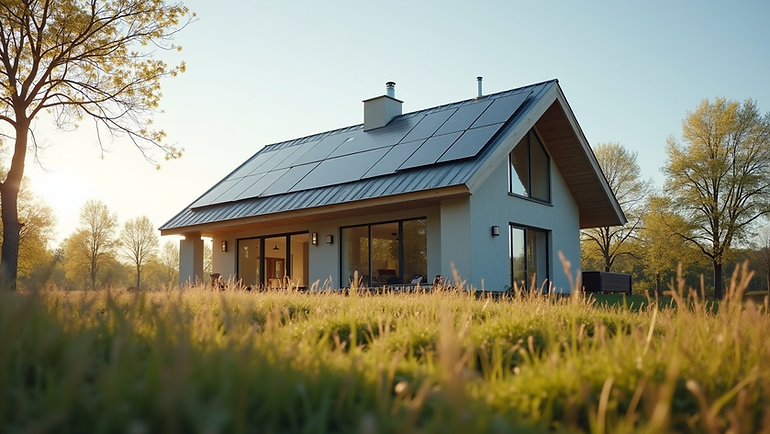
Energy Efficiency: Plan for solar panels, energy-efficient appliances, and LED lighting to lower electricity bills and reduce environmental impact.
These tips form the foundation of any sustainable house plan. They help create homes that are not only eco-friendly but also comfortable and cost-effective.
Can I Build a House for 300k in Australia?
Many people ask if it is possible to build a sustainable house on a budget of $300,000 in Australia. The answer is yes, but it requires careful planning and smart choices. Here are some ways to make it happen:
-
Choose a Simple Design: Complex shapes and large footprints increase costs. A compact, rectangular design is easier and cheaper to build.
-
Prioritize Energy Efficiency: Investing in good insulation and passive solar design reduces ongoing energy costs.
-
Use Cost-Effective Materials: Look for affordable, sustainable materials that do not compromise quality.
-
Limit Custom Features: Custom cabinetry, high-end finishes, and elaborate landscaping can quickly add to the budget.
-
Work with Experienced Builders: Builders familiar with sustainable construction can help you avoid costly mistakes.
By focusing on these points, you can create a sustainable home that fits your budget without sacrificing quality or environmental responsibility.
Incorporating Renewable Energy and Water Solutions
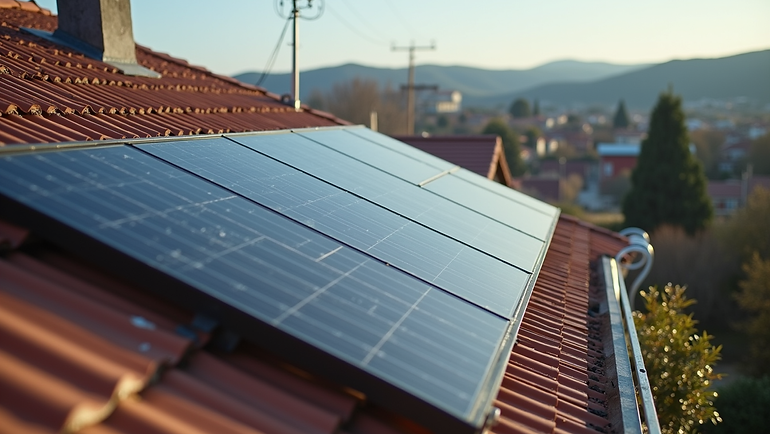
Renewable energy and water management are key components of sustainable house plans. Installing solar panels is one of the most effective ways to reduce your home’s carbon footprint. Solar energy can power your home and even feed excess energy back into the grid.
Water conservation is equally important. Installing rainwater tanks and greywater recycling systems helps reduce reliance on mains water. These systems can supply water for irrigation, toilets, and laundry, significantly lowering water bills.
When designing your house, plan spaces for solar panels on roofs with good sun exposure. Also, allocate space for water tanks and ensure plumbing supports water recycling systems.
Designing for Climate: Tailoring Sustainable House Plans to Australia
Australia’s climate varies widely, so sustainable house plans must adapt to local conditions. In hotter regions, shading and ventilation are critical. In cooler areas, maximizing solar gain and insulation is essential.
Here are some climate-specific design tips:
-
Hot and Dry Areas: Use wide eaves, verandas, and shade trees to block direct sun. Incorporate cross-ventilation to cool the house naturally.
-
Temperate Zones: Balance insulation with ventilation. Use thermal mass materials like concrete or brick to store heat during the day and release it at night.
-
Cold Regions: Maximise northern glazing and use double or triple-glazed windows. Ensure airtight construction to prevent heat loss.
Understanding your local climate helps you design a home that stays comfortable with minimal energy use.
Finding the Right Sustainable House Plans Australia
Finding the right sustainable house plans australia can be a challenge, but it is crucial for success. Look for plans that are designed with sustainability in mind and can be customised to your site and needs. Many online platforms offer affordable and adaptable house plans that incorporate sustainable features.
When selecting a plan, consider:
-
How well it suits your climate and site orientation.
-
The materials and construction methods recommended.
-
The energy and water efficiency features included.
-
The flexibility to modify the design to meet your budget and lifestyle.
Choosing the right plan saves time and money during construction and ensures your home performs well for years to come.
Making Your Sustainable House Plan a Reality
Once you have your sustainable house plan, the next step is turning it into reality. Work closely with your builder and contractors to ensure the design is followed accurately. Pay attention to:
-
Quality of Workmanship: Proper installation of insulation, windows, and ventilation systems is critical.
-
Sourcing Materials: Confirm that materials meet sustainability standards.
-
Energy Systems: Ensure solar panels and energy-efficient appliances are installed correctly.
-
Water Systems: Verify rainwater tanks and recycling systems function as planned.
Regular site visits and clear communication with your team help avoid costly errors and delays.
Building a sustainable home is a rewarding process. It requires thoughtful design, smart choices, and collaboration. By following these tips for sustainable house plans, you can create a home that is good for the environment and your family.
Designing and building a sustainable home is an investment in the future. It reduces environmental impact, lowers running costs, and creates a healthier living space. Whether you are starting from scratch or adapting an existing plan, these strategies will guide you toward a successful project. For those looking for inspiration and practical designs, exploring sustainable house plans australia is a great place to start. Your dream home can be both beautiful and sustainable.